10.0
TMDB
Based on plays by Bhattacharya and the story Annadata by Krishan Chander. A film about the famine that swept through Indian villages in the final years of the war for independence. After natural disasters (floods and droughts), villagers seek refuge in the city.
Official Trailer
Budget
Not disclosed
Revenue
Not disclosed
2 reviews · 1 fan
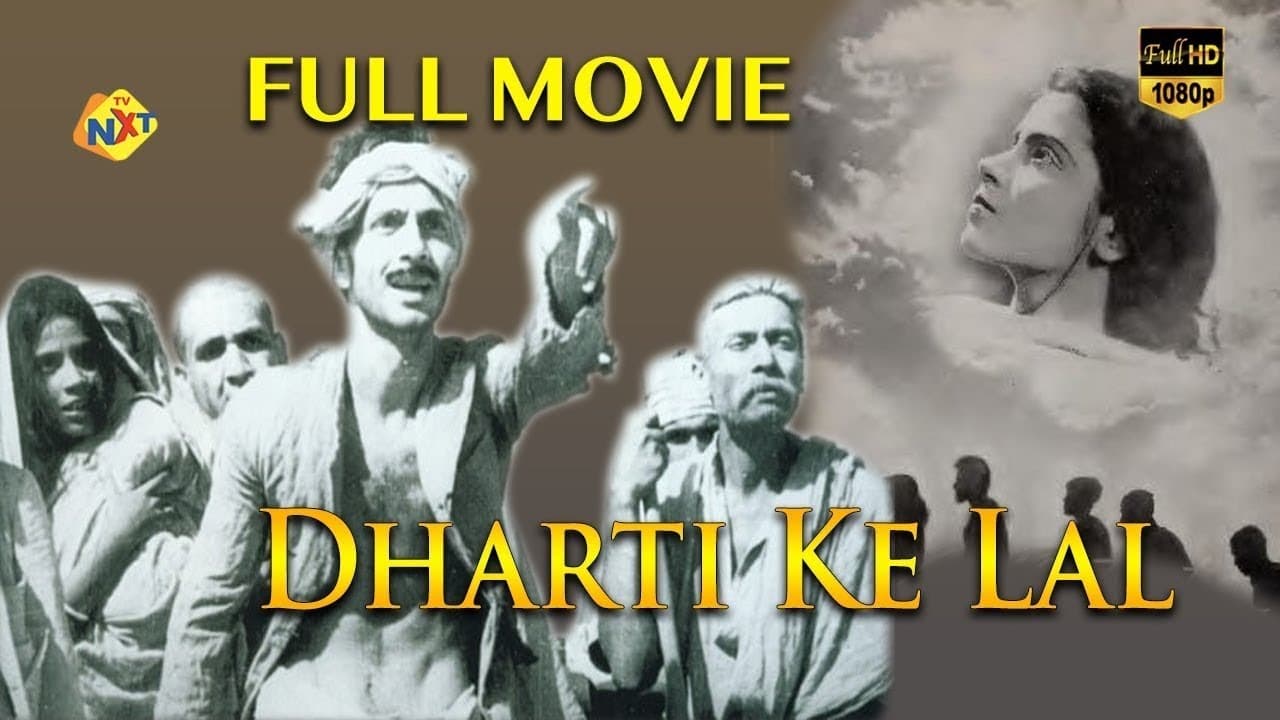
# *Dharti Ke Lal* (1946) **Director:** Khwaja Ahmad Abbas **Languages:** Hindi, Urdu **Initial Release:** 1946 **Screenplay:** Khwaja Ahmad Abbas, Bijon Bhattacharya, Krishan Chander **Story:** Bijon Bhattacharya, Krishan Chander **Music:** Ravi Shankar **Starring:** Balraj Sahni, Tripti Mitra, Sombhu Mitra **Review by Dr Usman Latif Khawaja** K. A. Abbas was a true intellectual, and his maiden movie is ample evidence of that. His ideology of a social framework in colonial India, particularly the divide between the urban and rural worlds, remains as cohesive and contemporary as it was in 1946. The film presents a privileged class preying like jackals upon the carcasses of the perished in a poignantly painted picture of a man-made famine, which was a true holocaust in itself. The simple story of a peasant family displaced from their farm by a conniving feudal system and forced to migrate to the squalor of Calcutta, or face self-destruction, is narrated through powerfully brutal imagery designed as a work of neo-realistic art. The woes of a single family are echoed in the fate of thousands of others who fell victim to the same misfortune. The sequences of starving children competing with street dogs for scraps of food thrown into the trash are harrowing, as are the scenes of women reduced to begging and offering their skeletal bodies in exchange for a handful of…


Title
Dharti Ke Lal
Released
Jan 2, 1946
Rated
Not rated
Region of Origin
India
Original Audio
Hindi
Runtime
2h 5m
Status
Released